





SaaS founders
A multi-tenant product with billing, onboarding and analytics, ready for paying customers.
We design and build SaaS products, customer portals, dashboards and progressive web apps for UK organisations, with secure architecture, UK-region hosting options and automated testing. Product discovery, UX, engineering and support come from one accountable team.
View Our Portfolio
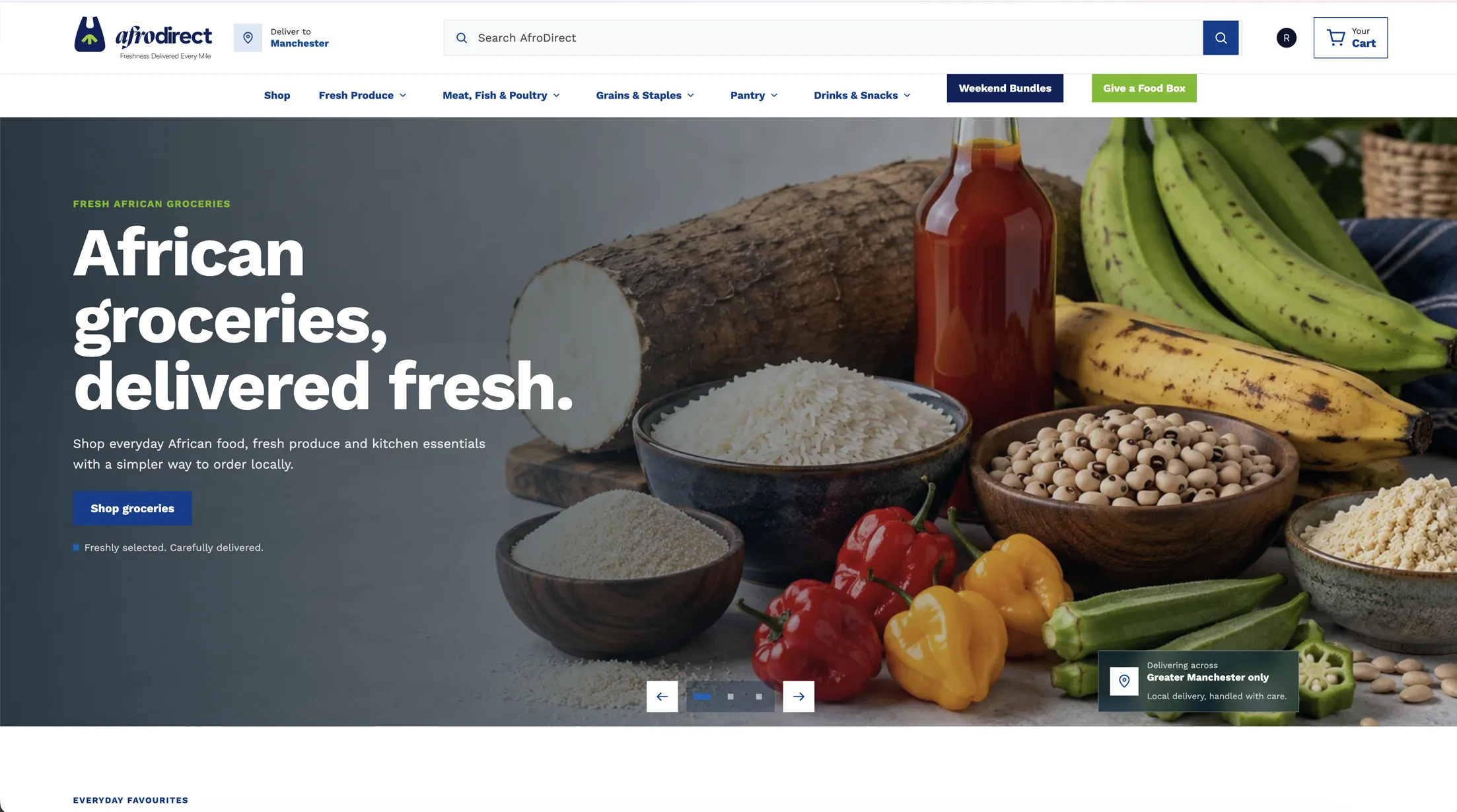
A multi-tenant product with billing, onboarding and analytics, ready for paying customers.
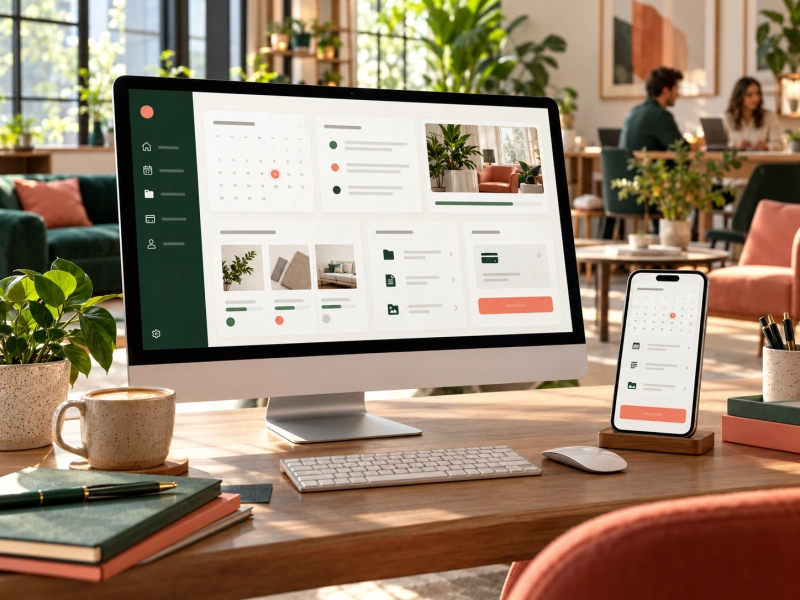
Client portals where customers book, track progress, share files and pay online.
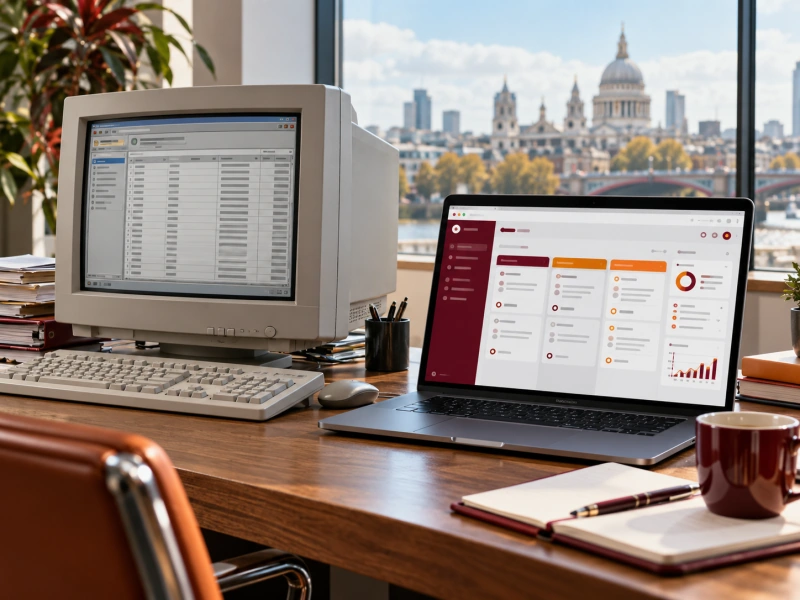
Ageing desktop tools rebuilt as secure browser applications.

Dashboards turning scattered data into daily decisions.
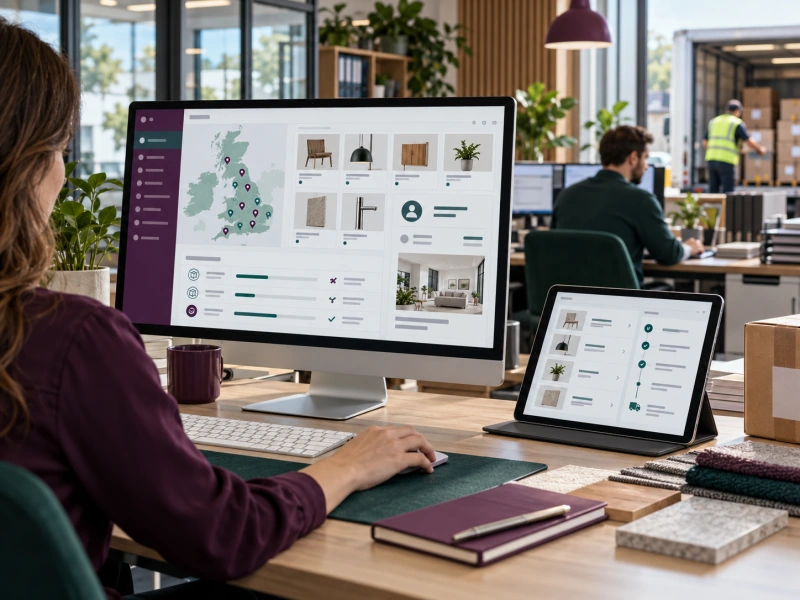
Extranets for dealers, suppliers and franchisees.

Front-end, back-end or DevOps engineers joining your existing roadmap and sprint process.
What customers see and use
SaaS products, portals and dashboards
Connecting your application to business systems
Keeping it fast and reliable
 London
This is technical guidance, not legal advice. Please confirm data protection and contractual obligations with a qualified adviser before choosing hosting.
If a no-code tool or existing SaaS fits, we will tell you.
Digital projects delivered
Countries served
Years of experience
Everything you need to know before getting started.
Average response time
24 Hours
Project consultation
Free
Enterprise-ready
✓ Trusted Delivery
Cost depends on the number of user roles and workflows, how much data the application handles, the systems it must connect to, security and compliance requirements, and whether it needs multi-tenancy or subscription billing. A narrowly scoped portal will usually require less work than a platform with multiple roles, integrations and subscription features. We provide a fixed-scope estimate after discovery.
The timeline for a focused first release, such as a customer portal or internal dashboard, is confirmed after discovery. Larger SaaS platforms or workflow systems with several integrations usually take a few months, delivered in phases. Discovery, UX and architecture come first, followed by fortnightly development sprints, testing and a staged launch. Prompt feedback at review milestones helps keep delivery on schedule.
A website mainly presents information, such as services, articles and contact details. A web application lets users do things: log in, manage records, book appointments, approve requests or analyse data. Web applications need user accounts, permissions, databases and business logic, so they involve more engineering, testing and security work than a typical website.
Yes. Business portals and workflow systems usually exchange data with CRM, ERP, finance, identity and payment systems. We connect through documented APIs and webhooks where available, use middleware when several systems share data, and agree which system owns each type of record. Every integration includes error handling, monitoring and documentation.
Yes. We start by assessing the code, architecture, hosting and how people use the application today. Depending on the findings, we may stabilise and extend it, rebuild the front end while keeping the back end, or replace it in phases, module by module. Data migration is rehearsed and reconciled, and old and new parts can run side by side so operations continue.
Security is designed in from the start. We implement secure authentication with single sign-on and multi-factor options, role-based permissions, encryption in transit and at rest, and protection against common vulnerabilities such as those in the OWASP Top 10. Code is reviewed before release, dependencies are patched and activity is logged. For sensitive applications, we recommend independent penetration testing before launch.
We design for growth from the first release, with efficient database design and indexing, caching, background job queues and cloud hosting that scales with demand. For SaaS products, we plan multi-tenancy so new customers do not need separate set-ups. Load testing at expected peak usage shows where limits sit, and monitoring helps the team detect and investigate errors, slow responses and capacity issues.
Yes. Our support covers uptime and error monitoring, security patches, dependency upgrades, bug fixes and performance tuning. We can also continue product development from a prioritised roadmap based on usage data and user feedback. Support levels and response times are agreed in writing, and your code and cloud accounts remain in your name throughout.
Start Your Digital Journey
If your organization depends on digital platforms for operations, communication, and compliance readiness, it is worth discussing how those systems are structured.