




SaaS platforms
Onboarding, dashboards and complex workflows simplified.
We design clear, accessible digital experiences for websites, mobile apps and software platforms, combining user research, interface design and practical development thinking.
View Our Portfolio
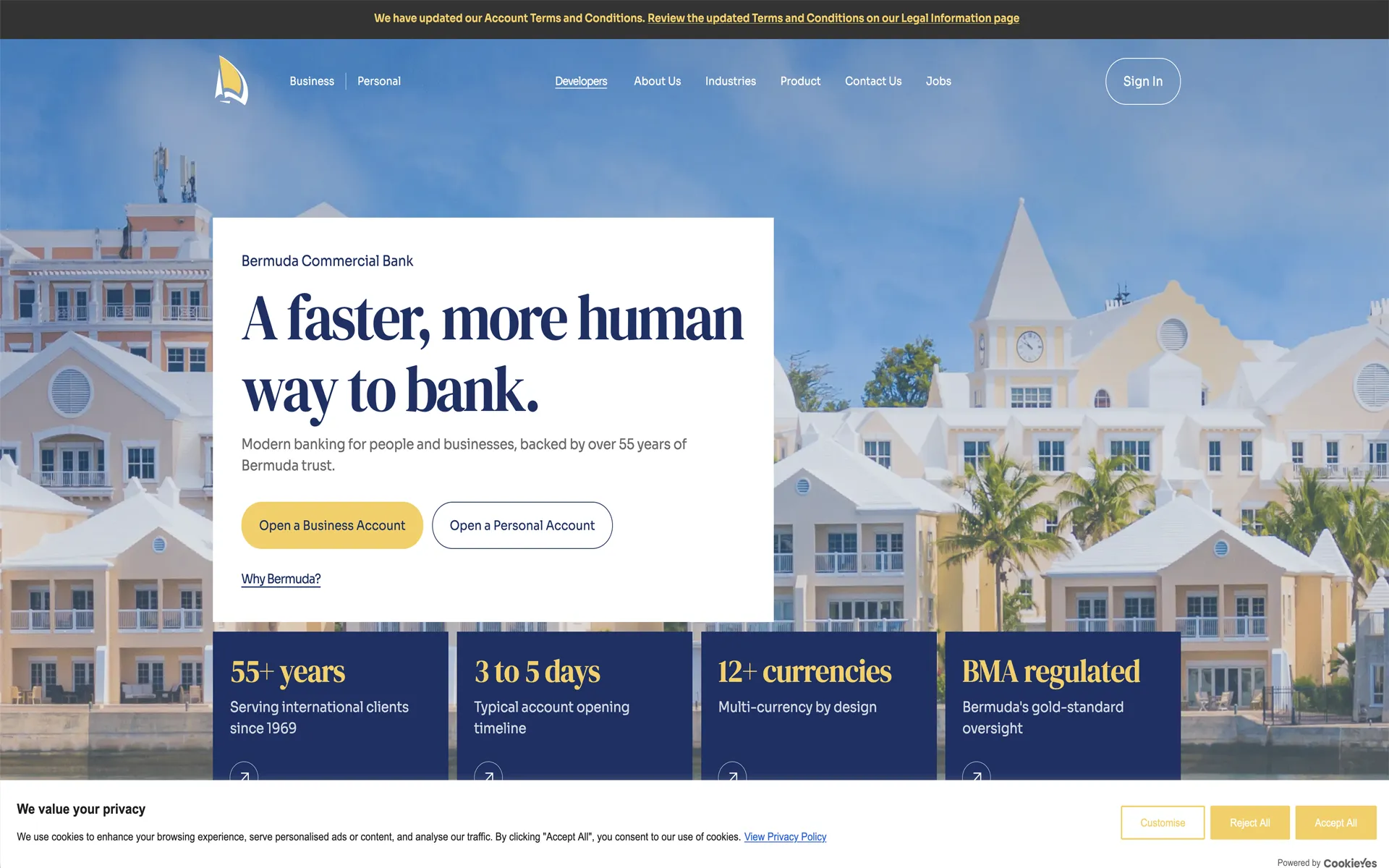
Onboarding, dashboards and complex workflows simplified.

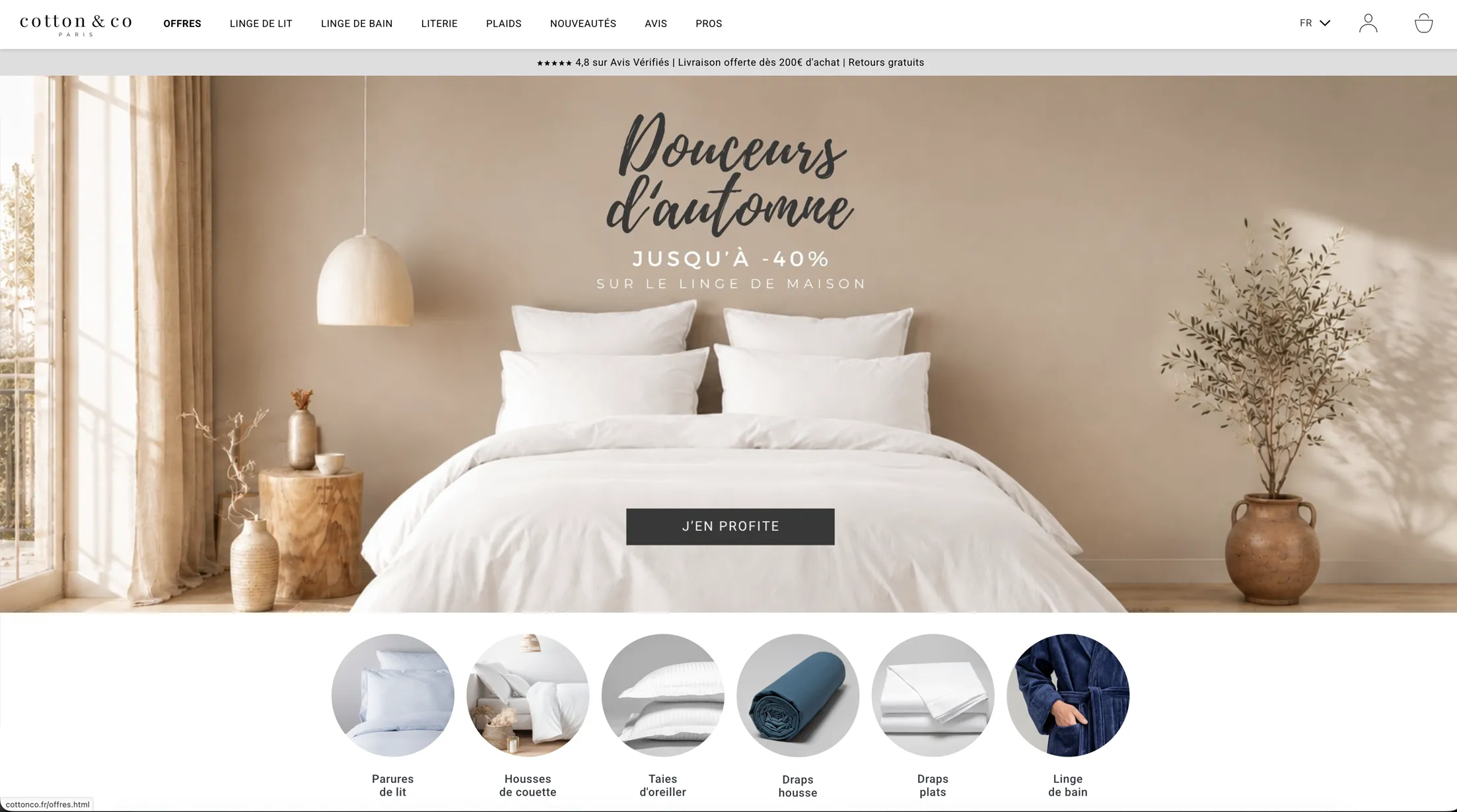
Product pages and checkouts that convert.
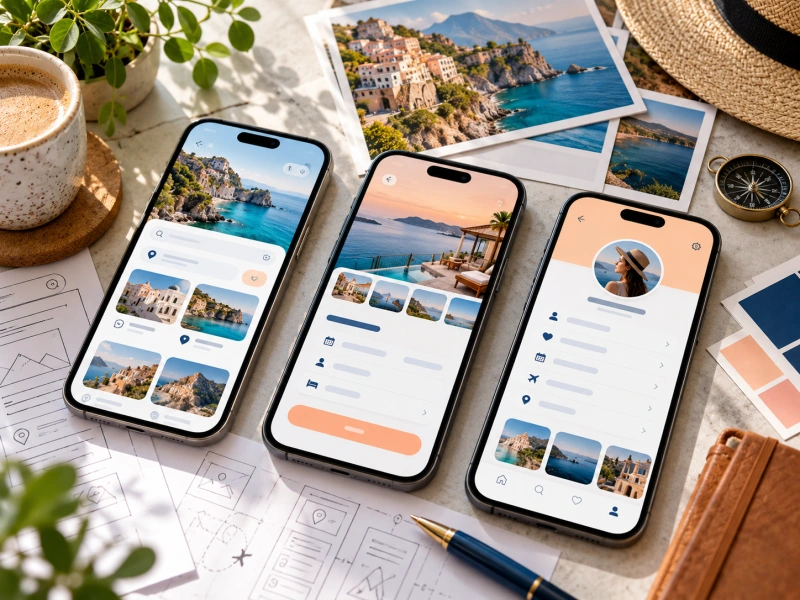
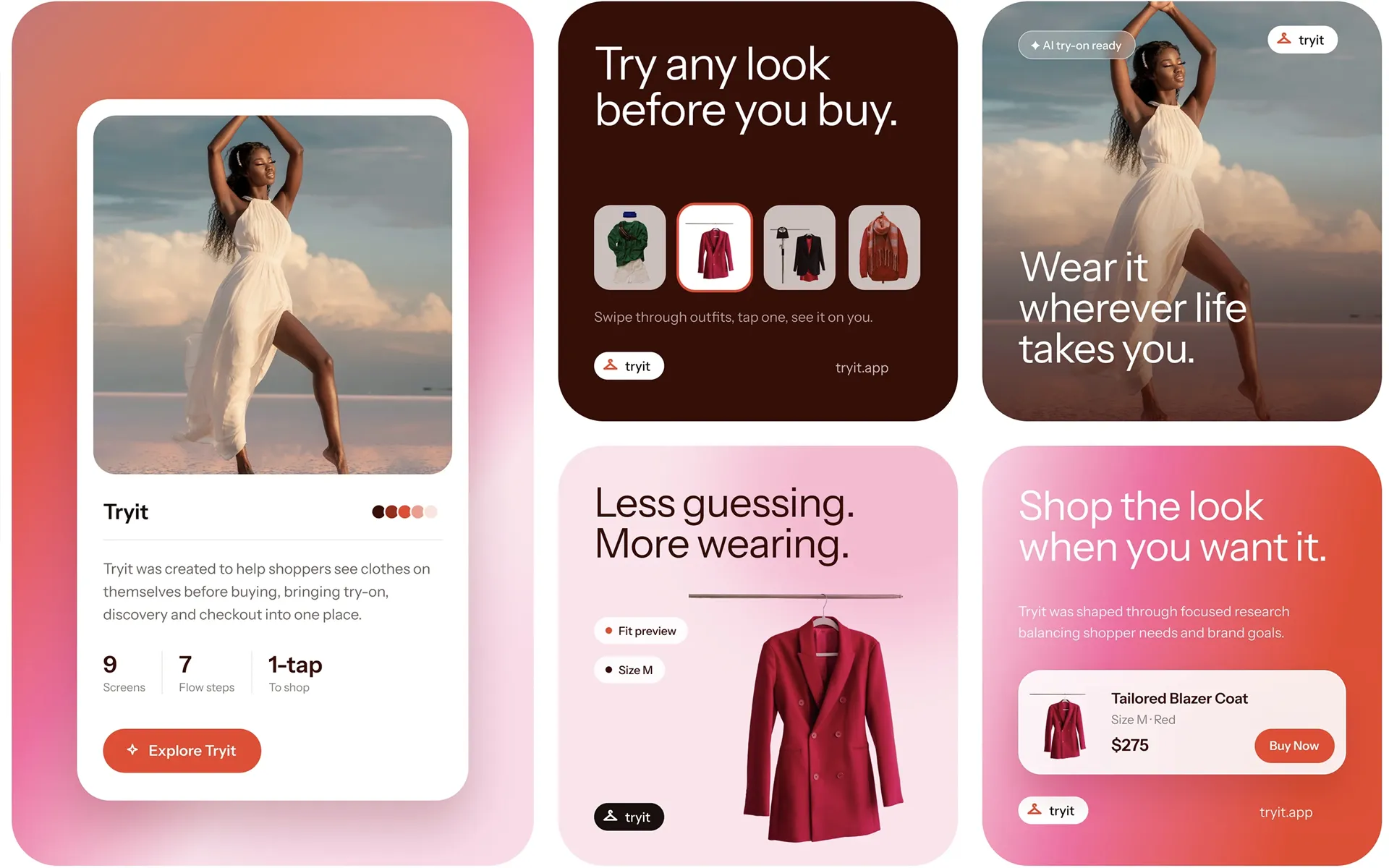
iOS and Android app interfaces.

Portals and internal tools teams enjoy using.
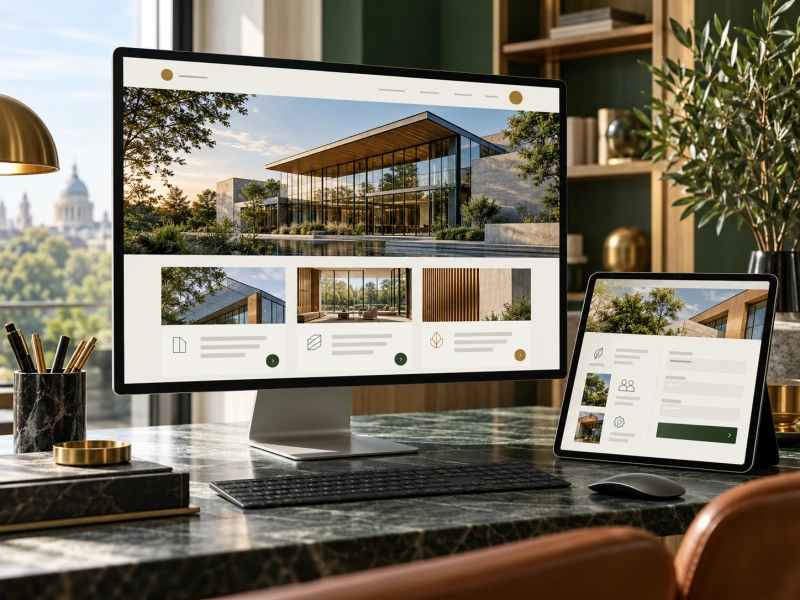
Clear journeys that generate more enquiries.

MVP design and prototypes for investor demos.
Evidence before design decisions.
Clear, usable, on-brand interfaces.
Consistent design that scales across products.
Prototypes and handoff to build.
 London
Understand users and goals.
Information architecture and user journeys.
Visual UI, interaction and responsive layouts.
Validate, refine, then support build.
Weekly reviews keep feedback flowing and decisions documented in Figma.
Full ownership
Accessibility
Design reviews
Everything you need to know before getting started.
Average response time
24 Hours
Project consultation
Free
Enterprise-ready
✓ Trusted Delivery
A UI/UX design agency researches how people use a digital product, then designs interfaces that help them complete tasks easily. Work typically includes user research, UX audits, information architecture, user journeys, wireframes, prototypes, interface design, design systems, accessibility and usability testing. The aim is a product that is easier to use, converts better and costs less to support.
We agree an accessibility target and the journeys to review at the start, such as relevant WCAG 2.2 AA criteria. Design reviews cover contrast, text, focus states, navigation and interaction behaviour. We document requirements for developers. Keyboard and assistive-technology testing of the implemented product is scoped separately; design files alone do not establish conformance.
Cost depends on scope. A focused UX audit costs much less than research and full interface design for a complex product. The number of user groups and journeys, the amount of research and testing, and whether you need a design system all affect the effort. We agree a fixed scope after an initial review.
We agree a schedule around milestones: discovery and research, reviewed flows and wireframes, interface design, prototype testing where included, and developer handover. The number of journeys, participant recruitment, technical dependencies and stakeholder feedback affect timing. After the initial review, we confirm deliverables, review dates and decision owners, and update the schedule when scope changes.
A UX audit reviews your product against established usability principles and accessibility standards, combined with analytics and, where possible, sessions with real users. You receive a prioritised report showing where users struggle, why it matters and recommended fixes ranked by impact and effort, with annotated screenshots to make each issue clear.
Yes. We first find out what works and what does not through analytics, audits and user research, so the redesign keeps proven patterns and fixes real problems. Where a full redesign is not needed, we recommend targeted improvements. Redesigns can be released in stages to avoid disrupting existing users.
We choose methods to fit the question and agreed scope: interviews, observation of real tasks, surveys and analytics. Recruitment criteria, participant consent, compensation arrangements and data handling are agreed in the research plan. Findings identify patterns, limitations and priorities, so your team can consider the evidence alongside business goals and technical constraints.
Depending on the agreed scope, handover includes editable Figma deliverables, annotated flows, component states, prototype files, exportable assets and implementation guidance. We agree a walkthrough, a period for developer questions and any build reviews. The contract sets ownership and access arrangements; third-party fonts, assets and licensed resources remain subject to their own licences.
Speak with our UI/UX team about improving an existing product or designing a new experience around real user needs and business goals.
Start Your Digital Journey
If your organization depends on digital platforms for operations, communication, and compliance readiness, it is worth discussing how those systems are structured.