




Apple Pay
Fast, secure checkout without card entry.
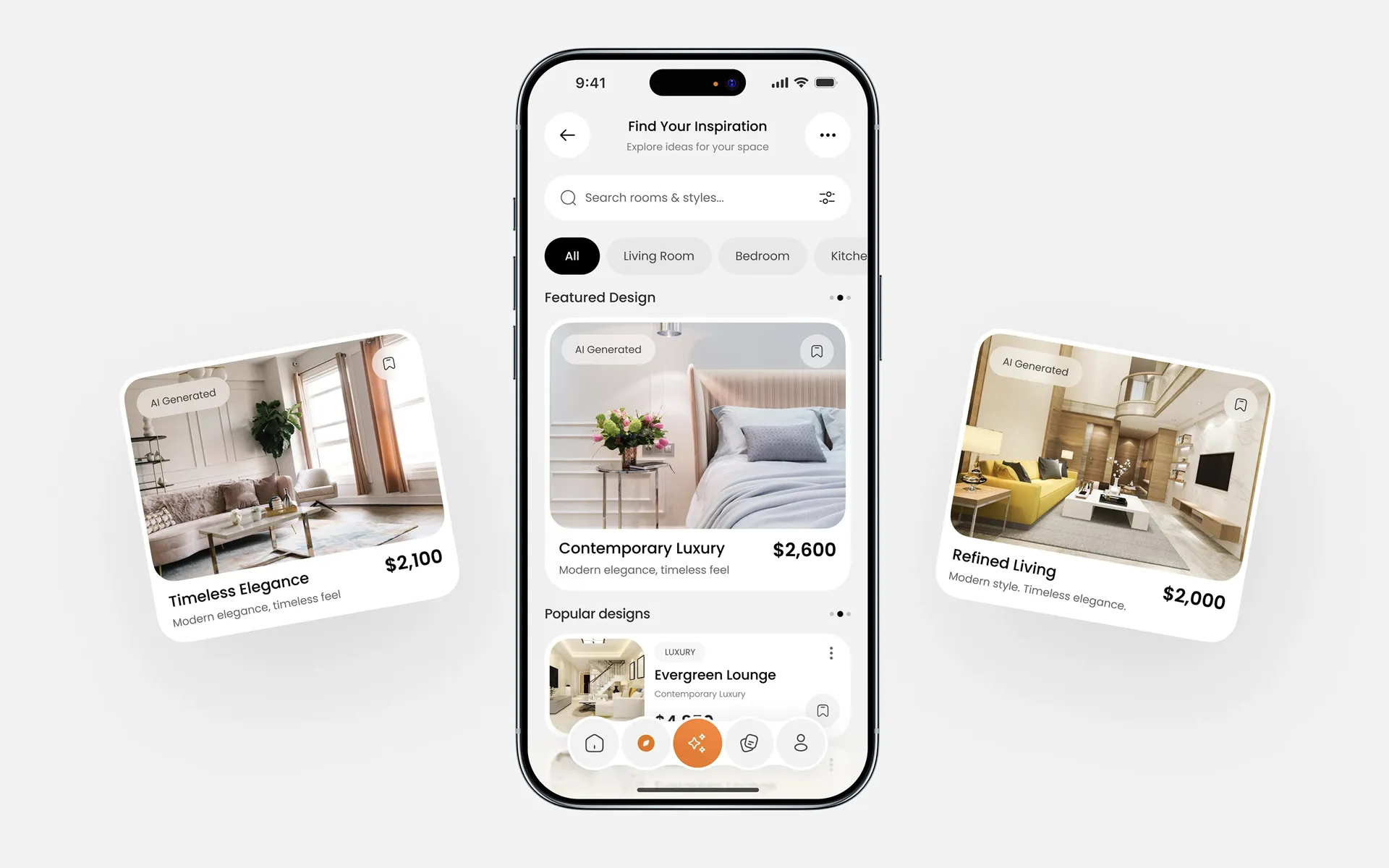
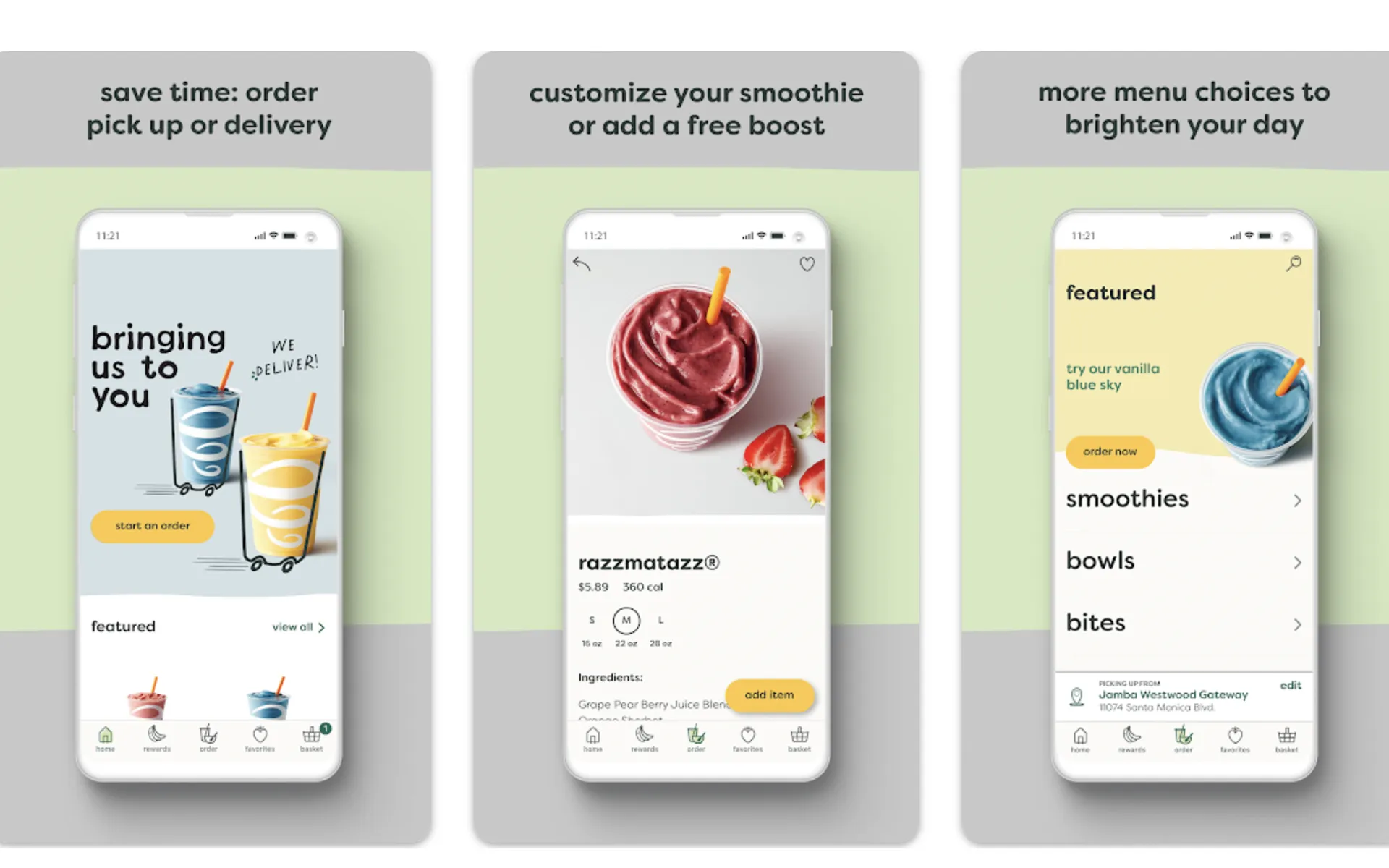
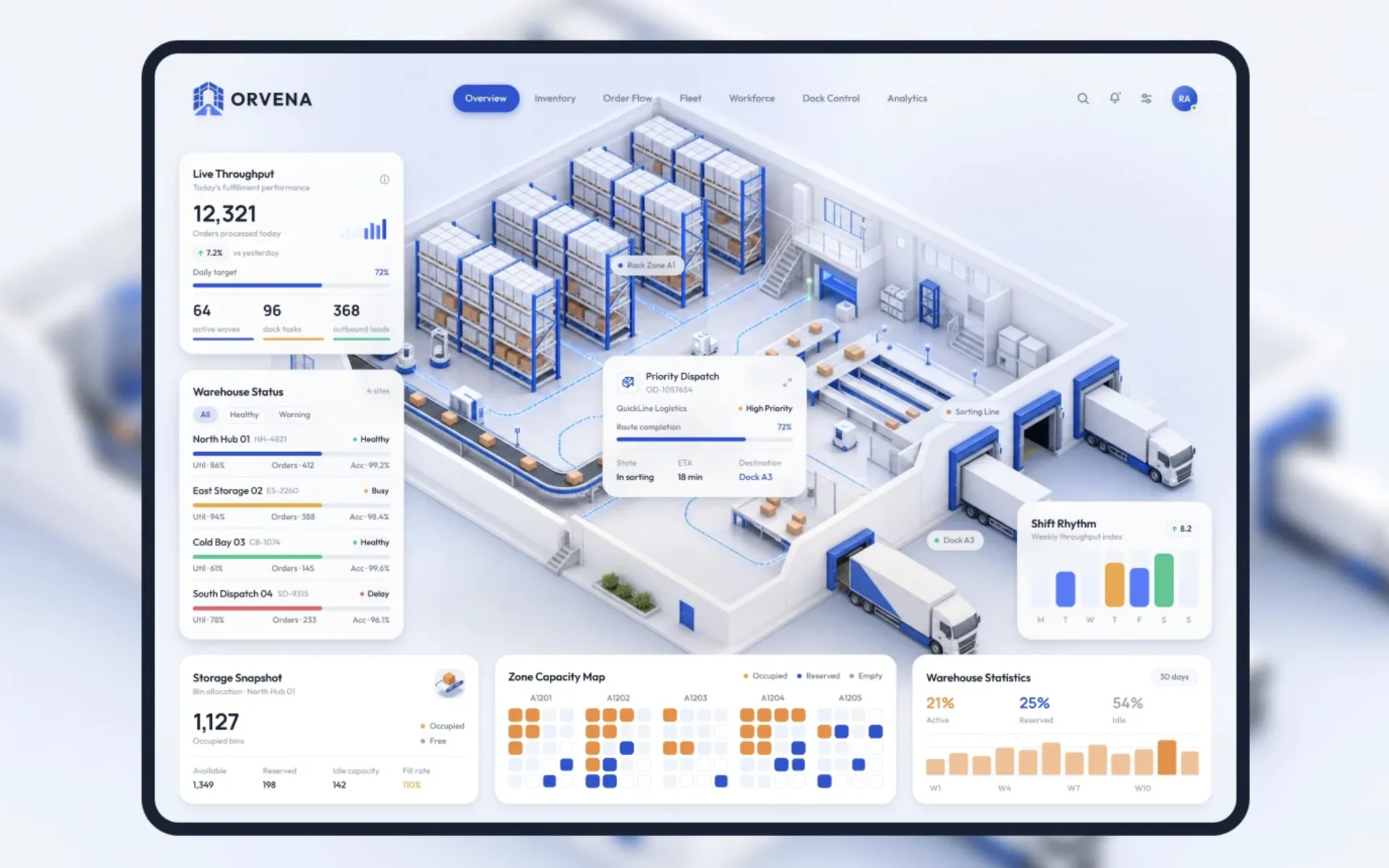
Our iOS developers build native iPhone, iPad and Apple Watch apps in Swift and SwiftUI. They design to Apple’s guidelines and integrate Apple Pay, HealthKit and other frameworks. We manage App Store submission and keep your app current with every iOS release.
View Our Portfolio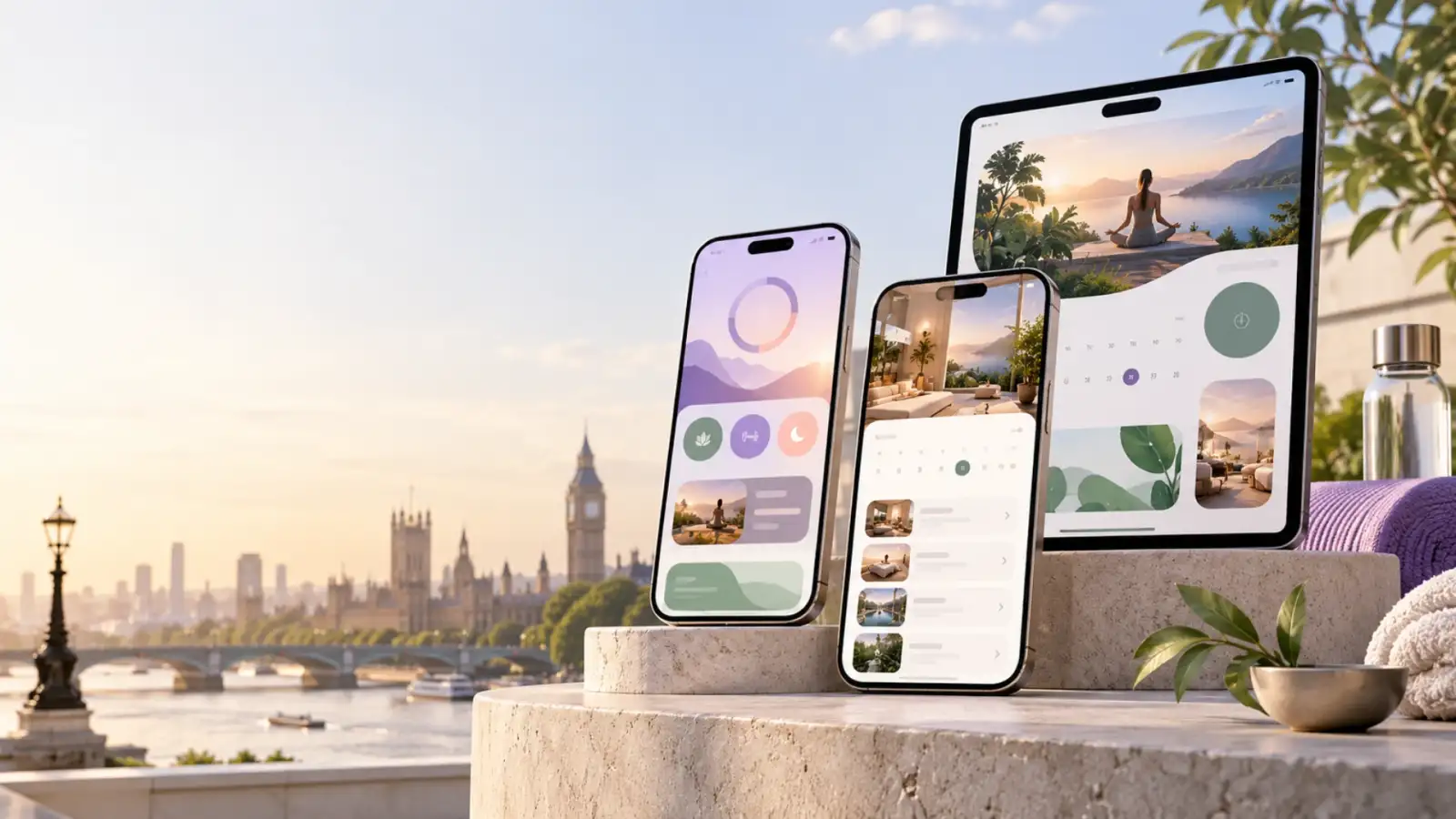
Fast, secure checkout without card entry.

Consent-based health and fitness data sharing.

Maps, directions and location-aware features.

Timely, segmented alerts that bring users back.

Secure biometric sign-in with Face ID.
Home Screen widgets, Siri and Shortcuts support.
Native Swift and SwiftUI apps.
Secure, compliant checkout and subscriptions.
Connect your app to existing systems.
Testing, submission and ongoing updates.
 London
Protect data in transit.
Limit access to sensitive information.
Collect only what the app needs.
Check controls and address findings.
TestFlight builds every sprint, so you test progress on your device.
IP ownership transferred
Problems
Swift-first engineering
Everything you need to know before getting started.
Average response time
24 Hours
Project consultation
Free
Enterprise-ready
✓ Trusted Delivery
Cost depends on the number of features and screens, whether you need iPhone only or iPad and Apple Watch too, the Apple frameworks involved, such as HealthKit, Apple Pay or widgets, back-end integration and security requirements. Modernising an existing app is priced differently from a new build. We provide a fixed-scope estimate after discovery.
The timeline for a focused iOS app is confirmed after discovery; larger apps with complex integrations or several Apple devices can take a few months. Work runs in fortnightly sprints, with TestFlight builds you can install on your own iPhone. We also allow for App Store review and Apple’s annual iOS release cycle when planning launches.
We compare the Apple features you need, performance requirements, supported devices, budget and maintenance plans. Native Swift and SwiftUI can suit apps with deep Apple-platform integration or demanding interfaces. Cross-platform development can share code between iOS and Android, but platform-specific work may still be needed. We explain the trade-offs before recommending an approach.
We adapt navigation and layouts to each screen size rather than stretching an iPhone design. Testing covers agreed device models and operating-system versions using physical devices, simulators and automated tests. We check accessibility, including VoiceOver and Dynamic Type, plus performance, connectivity changes and key user journeys. TestFlight lets your team review builds before release.
Yes. We assess the code, dependencies, supported devices and App Store requirements before recommending changes. Work may include migrating Objective-C to Swift, updating UIKit screens, adopting SwiftUI where useful and replacing deprecated APIs. We plan changes in manageable phases, test affected journeys and monitor releases to reduce disruption.
Yes. We connect apps to suitable APIs for CRM, booking, loyalty, payments and other business systems, adding backend services where needed. We can also integrate Apple features such as Apple Pay, biometric authentication, push notifications and HealthKit where appropriate. Availability, permissions, privacy requirements and payment rules are assessed for each feature before implementation.
Yes. We distribute beta builds through TestFlight, gather feedback and prepare App Store Connect listings, screenshots, privacy information, review notes and test accounts. We manage submission and respond to reviewer questions. Apple makes the final approval decision, so review time is allowed for in the release plan rather than guaranteed.
We agree security requirements during discovery and review the app, backend and data flows together. Practices include HTTPS with certificate validation, appropriate Keychain storage for secrets, restricted access, minimal permissions and avoiding sensitive data in logs. We review dependencies and test relevant security controls. For sensitive systems, we agree whether independent penetration testing is needed and document responsibilities for ongoing protection.
Start Your Digital Journey
If your organization depends on digital platforms for operations, communication, and compliance readiness, it is worth discussing how those systems are structured.