



Founders
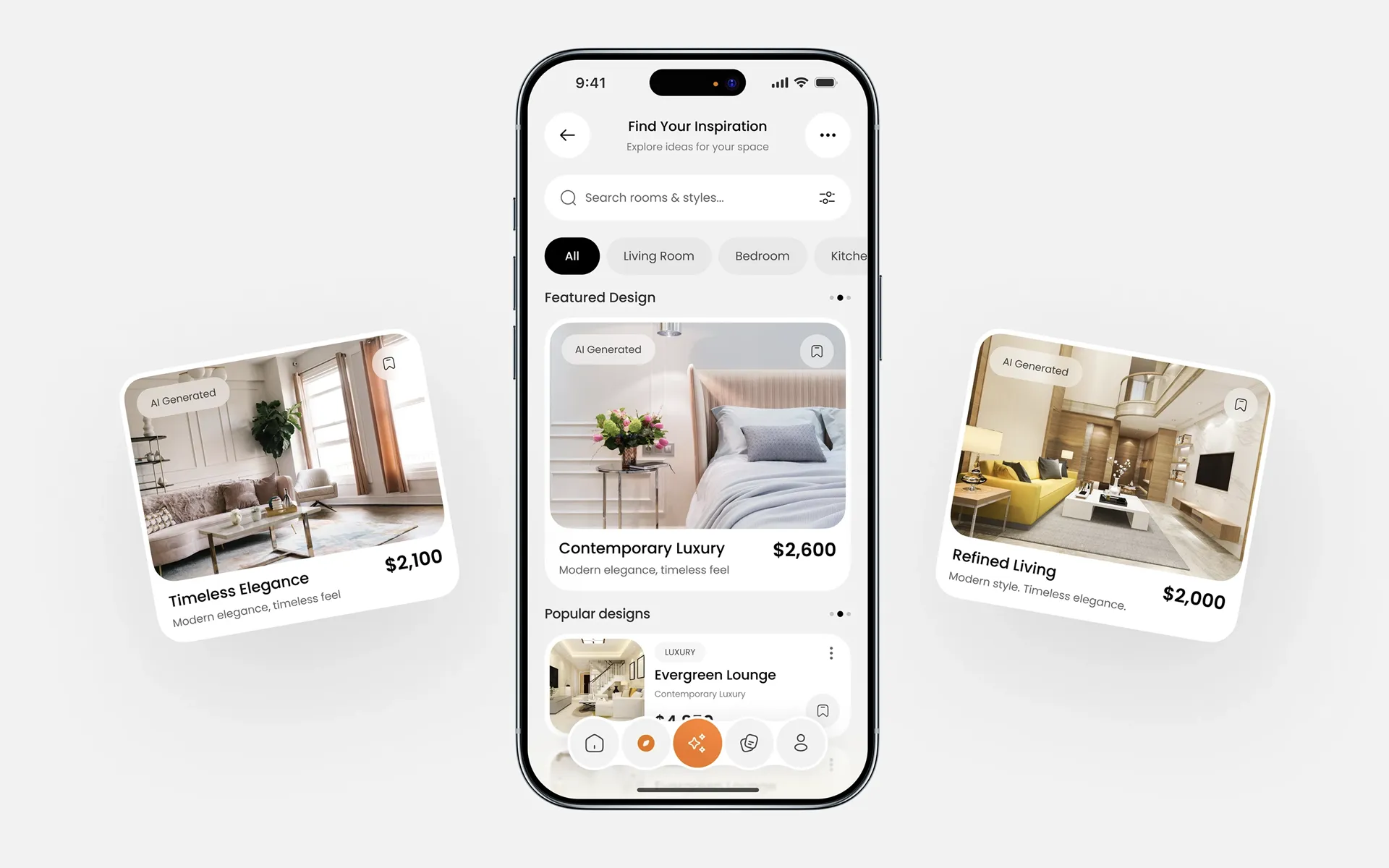
First version, built to scale later.
Our Android app developers build native apps in Kotlin and Jetpack Compose that perform consistently across manufacturers, screen sizes and rugged work devices. We handle Material Design, Google Play policy and release, and updates for each new Android version.
View Our Portfolio

First version, built to scale later.

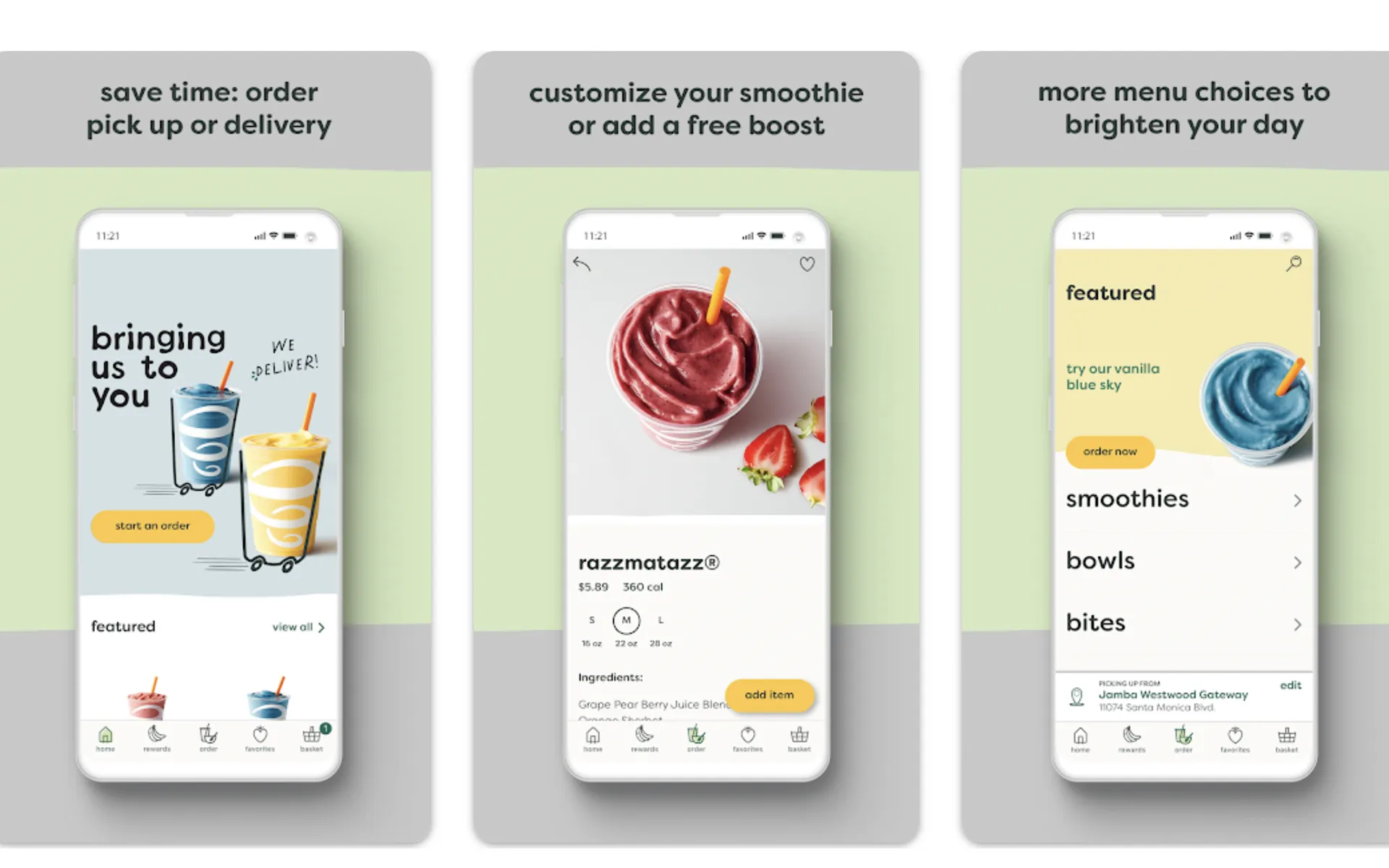
Mobile baskets, wallets and repeat purchase journeys.
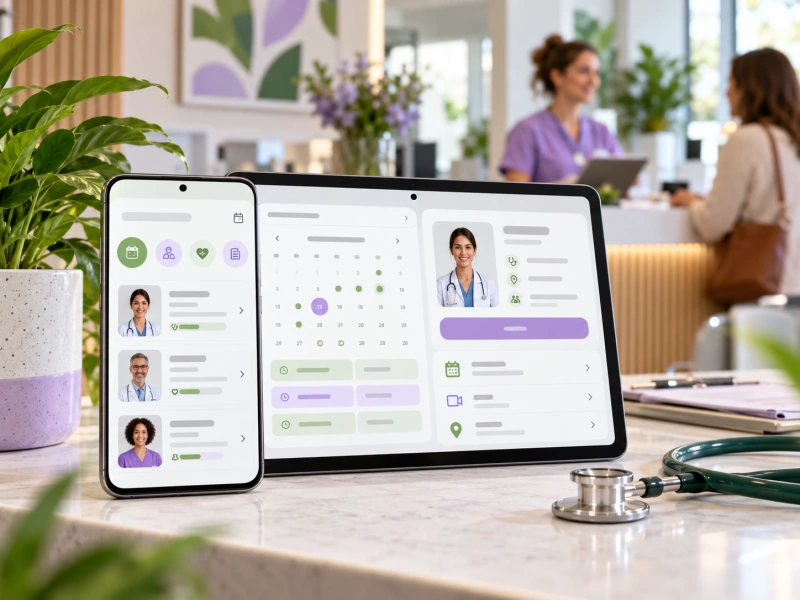
Bookings, reminders and secure patient messaging.
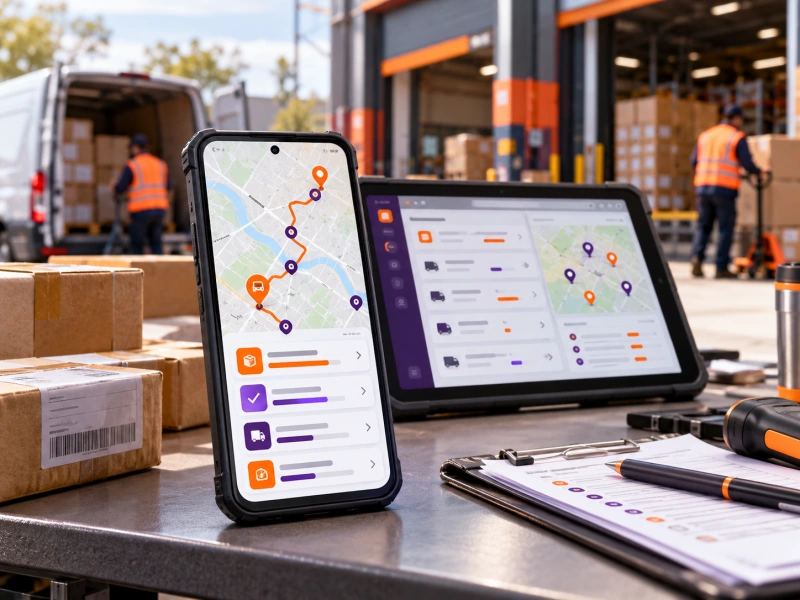
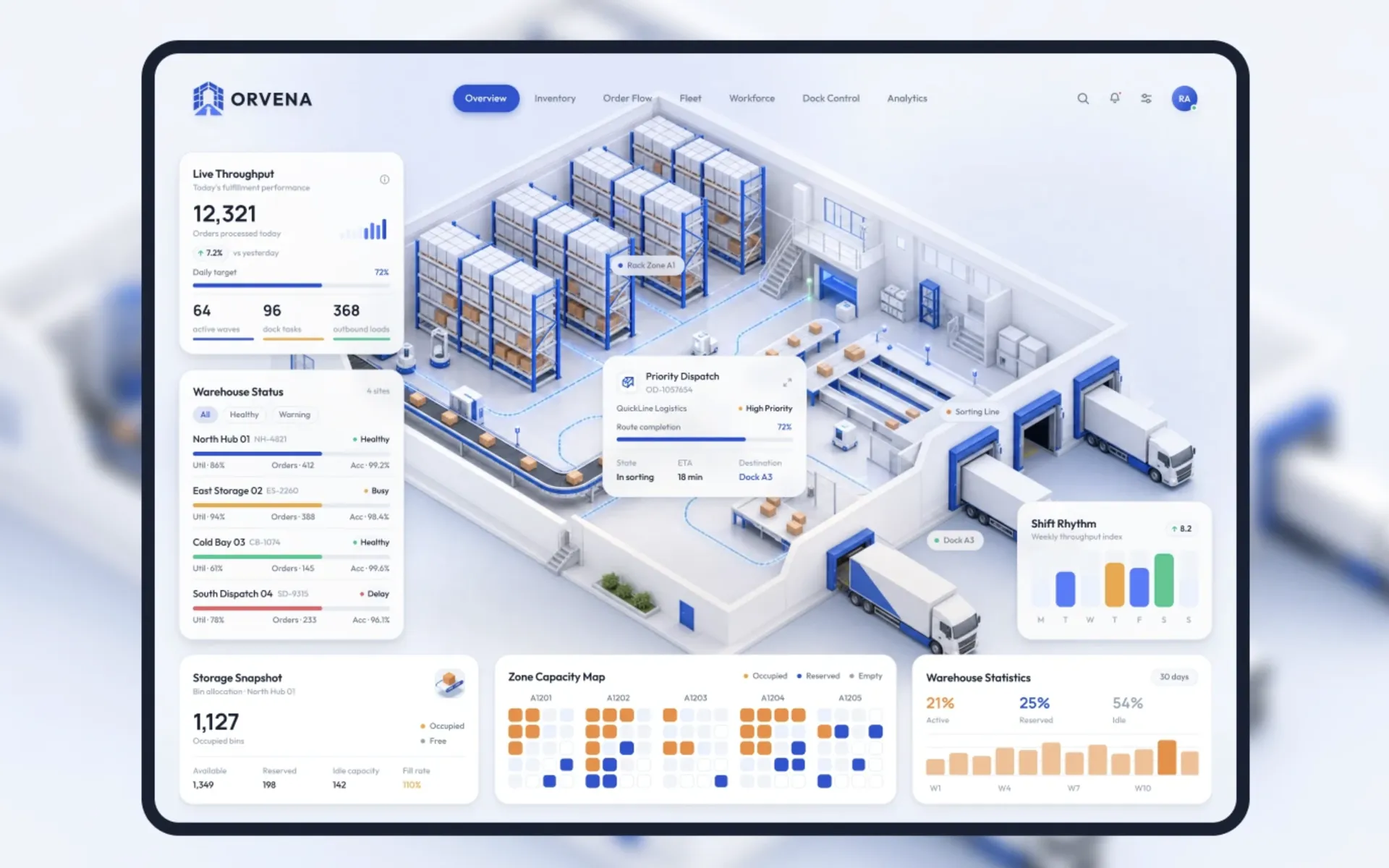
Rugged handsets, patchy signal, dependable syncing.
Accessible services for residents and staff.
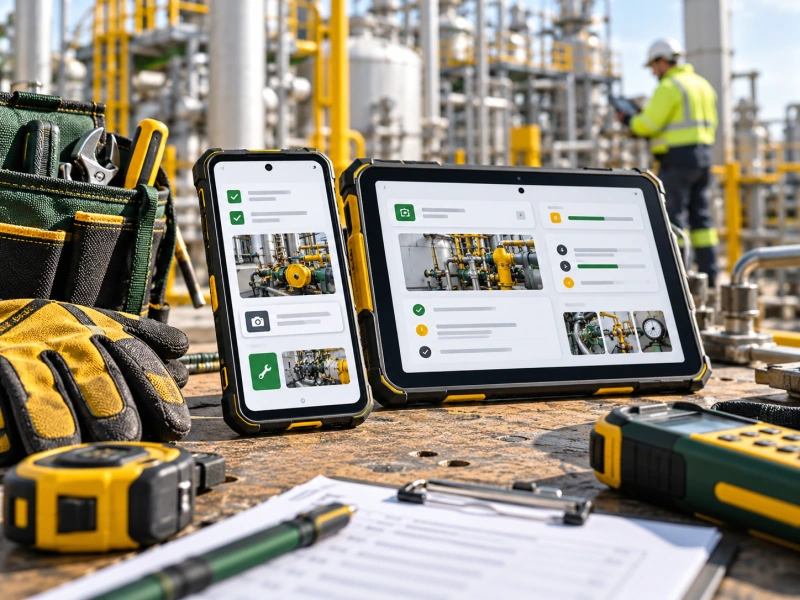
Upgrades, rescue work and steady support.
Screens users touch daily
Payments, data and third parties
Moving old code forward safely
Performance, battery use and ongoing support.
 London
Makes tampering harder
Protects data in transit
Protects what is stored
Catches issues, speeds up fixes
If a smaller fix beats a rebuild, we will say so.
Digital builds shipped
Countries covered
Years in business
Everything you need to know before getting started.
Average response time
24 Hours
Project consultation
Free
Enterprise-ready
✓ Trusted Delivery
Cost depends on the number of features and screens, the range of devices you must support, including tablets, foldables or rugged handhelds, integrations with your systems, and Google services such as Google Pay or Health Connect. Modernising an existing app is priced differently from a new build. We provide a fixed-scope estimate after discovery.
The timeline for a focused Android app is confirmed after discovery; apps with complex integrations, offline working or enterprise device management can take a few months. Development runs in fortnightly sprints, with builds installed through Google Play’s internal testing track. We allow for Play review and a controlled initial launch, followed by monitored staged updates.
Kotlin with Jetpack Compose suits apps that need the best performance on Android, rely on device hardware such as scanners, or must support rugged and enterprise devices. Cross-platform suits apps needing the same features on iOS and Android from a shared budget. Our mobile app development page compares both options in more detail.
We agree a device matrix covering the manufacturers, screen sizes and Android versions your users actually have. Interfaces are built with adaptive layouts in Jetpack Compose, so one app works on phones, tablets and foldables, using Material Design patterns users recognise. Hardware differences, such as cameras, scanners and memory limits, are handled in code and tested on real devices.
Yes. We assess the code, libraries, target API level and Google Play status, then plan improvements such as migrating Java to Kotlin, moving XML layouts to Jetpack Compose and fixing background work affected by battery optimisation. Updates use monitored staged rollouts to limit initial exposure. Halting a rollout does not remove an update from devices that already received it.
Yes. Android apps connect securely to your APIs and business systems, such as CRM, ERP, warehouse or field service platforms. For staff apps, we can also integrate with mobile device management tools through Android Enterprise. Offline storage and scheduled sync keep the app usable when connections drop.
Yes. We prepare store listings, the Data safety section, permission declarations and content ratings, then manage submission through Play Console. We keep the app on Google’s yearly target API level requirement, use internal, closed and open testing tracks, and release updates through staged rollouts so any issue affects only a small group first.
We test on physical devices from the manufacturers your users rely on, including budget and older models, and use cloud device farms to widen coverage. Automated tests run in our build pipeline. We also check TalkBack and font scaling for accessibility, and review Android vitals after release to catch crashes or freezes on specific devices.
Start Your Digital Journey
If your organization depends on digital platforms for operations, communication, and compliance readiness, it is worth discussing how those systems are structured.